
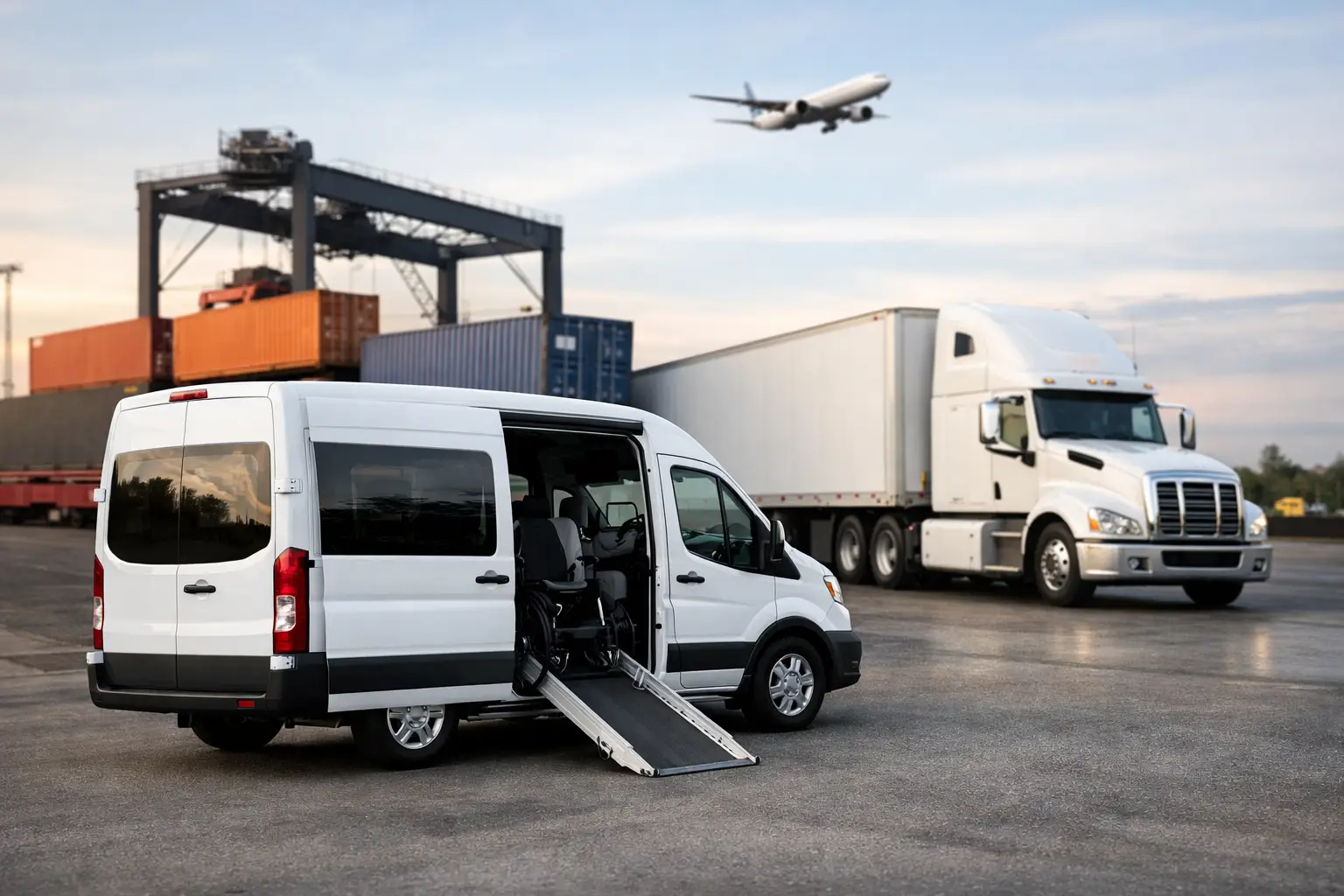
A regional NEMT provider may have dependable referral relationships, experienced drivers, and years of local market knowledge, yet still face a difficult reality: rising insurance costs, stricter compliance demands, and technology expectations can outgrow a founder-led operating model. The same pressure is visible in charter transportation, where customers increasingly expect real-time communication, documented safety practices, and reliable service across a wider footprint. Transportation consolidation trends are changing how operators respond to those pressures.
Consolidation is not simply a question of larger companies acquiring smaller ones. At its best, it is a way to preserve specialized local operations while giving them access to enterprise governance, capital planning, technology infrastructure, and broader leadership support. For owners considering an exit, and for operators evaluating fleet technology, the distinction matters. The quality of the platform behind a transaction or technology decision can shape whether the business becomes more capable or merely more centralized.
Why Transportation Consolidation Trends Are Accelerating
The economics of passenger transportation have become less forgiving. Fuel volatility, vehicle acquisition costs, labor competition, insurance renewals, and administrative requirements all place pressure on margins. Smaller operators can manage these variables for a time, but the burden compounds when dispatch systems, billing workflows, driver training, maintenance records, and customer communication are handled through disconnected processes.
NEMT operators also work in an environment where operational discipline has direct implications for patient access and service continuity. Missed trips, incomplete documentation, delayed authorizations, or weak vehicle visibility can affect more than customer satisfaction. They can affect care coordination. Charter operators face a different service profile, but many of the same management demands apply: vehicle readiness, driver qualification, route planning, group communication, and incident response must be consistent even when demand shifts quickly.
A diversified transportation group can spread the fixed cost of these capabilities across multiple divisions. Centralized finance, human resources, safety policy, procurement, technology leadership, and compliance oversight do not eliminate local complexity. They create a more structured way to manage it. That is a primary force behind current consolidation activity.
There is also a succession factor. Many local transportation businesses were built by owners who understand their communities, customers, and fleets deeply. A sale decision is often prompted by retirement planning, family considerations, or a desire to reduce personal exposure to operational risk. In those situations, consolidation can offer continuity for employees and customers when the acquiring organization respects the operating knowledge already in place.
Scale Is Valuable Only When It Improves Execution
Scale alone does not produce better transportation service. A larger fleet can introduce more complexity if processes are inconsistent, data is unreliable, or leadership visibility declines. Effective consolidation creates value when it improves the operating system behind the service.
For NEMT, that may mean standardized driver credentialing, clearer trip documentation, coordinated maintenance protocols, and reporting that gives leadership earlier visibility into service exceptions. For charter transportation, it may mean stronger pre-trip processes, better vehicle utilization planning, centralized safety review, and a more disciplined response to customer requests.
The trade-off is real. Standardization can create control, but it can also become counterproductive when a platform imposes one process on every market without accounting for payer requirements, local labor conditions, contract structures, or customer expectations. The strongest consolidators establish common enterprise standards while allowing divisions to retain the specialized practices that make them effective.
This is especially relevant for sellers. A buyer should be evaluated not only on valuation and transaction terms, but also on its capacity to operate the business after closing. Does it have leadership depth? Can it support compliance and safety? Does it understand the difference between a medical transportation operation and a group charter business? Can it invest in technology without disrupting frontline operations? These questions reveal whether consolidation is built for durable growth or short-term aggregation.
The Shift From Fleet Ownership to Fleet Intelligence
Transportation has long been asset-intensive. Vehicles, facilities, maintenance equipment, and insurance remain essential components of the business. Yet competitive advantage increasingly depends on how effectively an operator uses data from those assets.
Fleet intelligence brings dispatch, vehicle location, driver behavior, maintenance status, trip performance, and service exceptions into a more usable operating view. It helps management move from reacting to problems after a missed trip or mechanical event to identifying conditions that require attention earlier. That can improve utilization, protect equipment, and support more consistent service.
Technology should not be treated as a separate project owned only by an IT department. It is an operational system that affects dispatchers, drivers, supervisors, maintenance teams, and executive leadership. A platform that produces more data but does not improve decisions adds complexity. The better question is whether technology gives each role the information needed to act with greater accuracy and accountability.
For independent operators, this creates a strategic choice. Some will seek technology solutions that allow them to remain independent while strengthening dispatch, safety, maintenance, or reporting capabilities. Others will conclude that joining a broader transportation platform is the more practical path to obtaining those capabilities. Neither choice is universally right. The appropriate route depends on capital resources, succession goals, management capacity, market position, and the condition of the existing operating model.
What Sellers Should Look for in a Consolidation Partner
A transaction can be financially attractive and still create operational uncertainty. Owners evaluating a sale should look beyond the purchase price to understand the acquiring organization’s approach to integration.
First, assess whether the buyer has a defined model for preserving service continuity. Customers, referral sources, employees, and drivers need clarity during a transition. A disciplined integration process identifies which functions will be centralized, which local responsibilities will remain, and how decisions will be communicated.
Second, examine the buyer’s safety and compliance infrastructure. Safety cannot be treated as a post-close cleanup effort. A credible platform has documented expectations, regular review mechanisms, training discipline, and leadership ownership. In passenger transportation, safety performance protects people, contracts, reputation, and enterprise value simultaneously.
Third, determine whether the buyer can support technology adoption in a practical way. Operators do not benefit from ambitious systems that are poorly implemented or unsupported after launch. The right partner brings deployment planning, training, process alignment, and measurable operating objectives.
Finally, consider cultural fit. Local operators often succeed because their teams take personal responsibility for customers and service quality. Corporate structure should strengthen that accountability, not replace it with distance. The most effective acquisitions combine enterprise controls with respect for the people closest to daily operations.
The Next Phase of Transportation Consolidation Trends
The next phase will likely place greater emphasis on integration quality. As transportation platforms expand, the market will distinguish between organizations that simply accumulate fleets and those that build coordinated operating capabilities across specialized divisions.
Diversification will remain a meaningful advantage when it is purposeful. NEMT, coach and charter services, and advanced fleet technology operate under different commercial models, but they share core disciplines: safety, asset management, workforce performance, dispatch visibility, and customer communication. A holding company that can coordinate those disciplines without flattening each division’s expertise is positioned to create more durable value.
NextGen Mobility reflects this platform approach by bringing specialized transportation operations and fleet technology capabilities under a centralized framework. The objective is not to make every division identical. It is to create shared standards, leadership visibility, and digital infrastructure that help each business operate with greater control.
For owners, the consolidation question is ultimately not whether the industry will continue to change. It will. The more useful question is what kind of organization should carry the business forward: one that sees a local operation as another asset, or one that sees it as a specialized service business worth strengthening through disciplined integration, safety leadership, and better operational intelligence.