
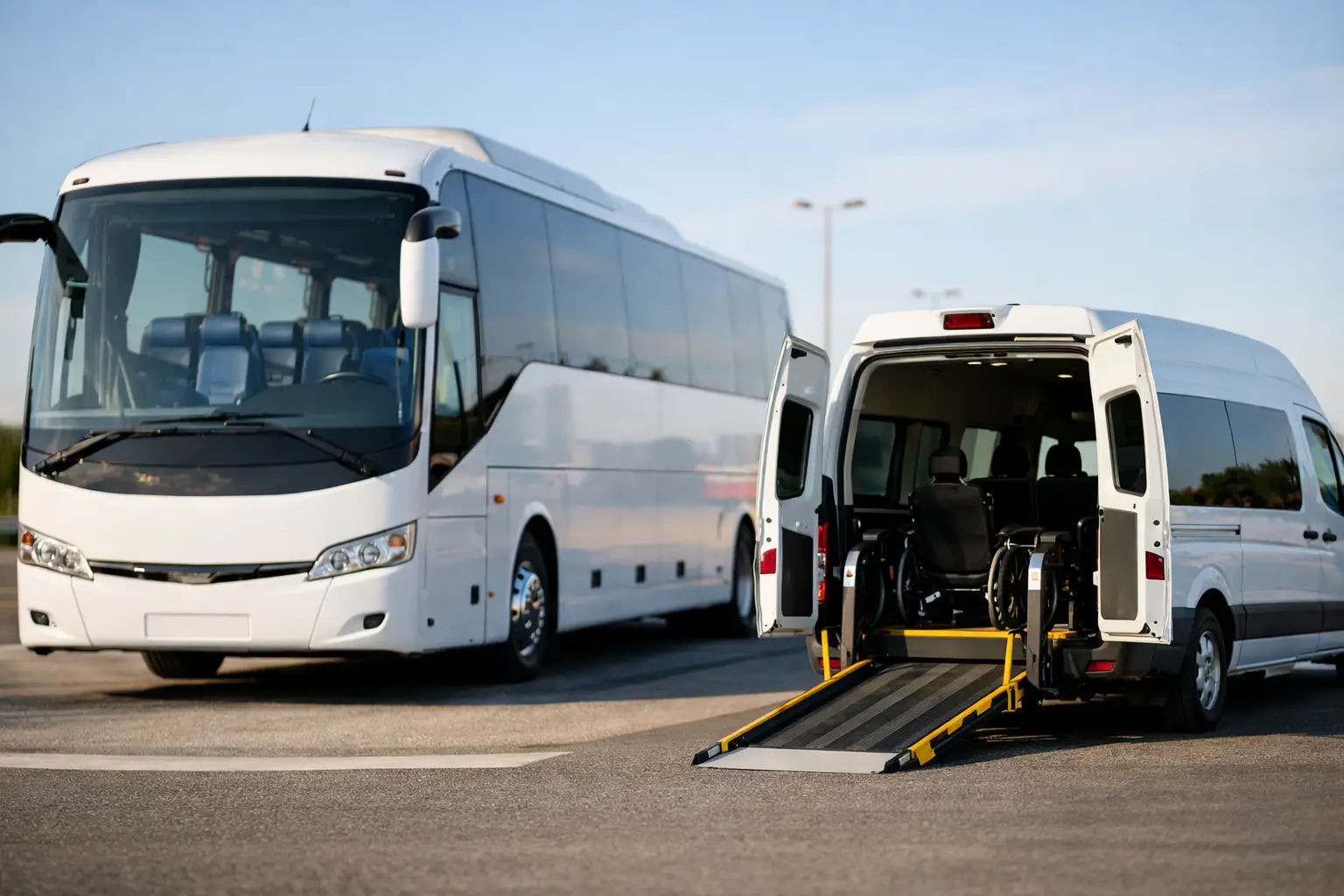
When a buyer, operator, or technology partner asks what is a coach transport, they are usually not asking about a vehicle alone. They are asking about a business model, an operating environment, and a service category built around moving groups of passengers at scale with higher capacity, scheduled planning, and commercial-grade safety controls.
In practical terms, coach transport refers to passenger transportation delivered by motorcoaches or similar high-capacity buses designed for longer-distance or organized group travel. Unlike a city bus, a coach is typically built for comfort, luggage capacity, and intercity or charter use. Unlike a limousine or small shuttle, it is structured to move larger groups efficiently under a more formal operating framework.
That definition sounds simple, but in transportation operations, the distinction matters. Coach transport sits at the intersection of fleet management, regulatory compliance, passenger experience, and margin discipline. For operators evaluating growth, succession, or technology investment, understanding that structure is more useful than treating a coach as just a bigger bus.
What Is a Coach Transport in Operational Terms?
At the vehicle level, a coach transport service uses coaches or motorcoaches built for group movement over local, regional, or long-distance routes. These vehicles typically include forward-facing seating, undercarriage luggage storage, climate control, and design features intended for longer ride times. In many cases, they are used for charter trips, employee transportation, school and university travel, tour groups, event movement, and contracted shuttle work.
At the operating level, coach transport is defined by planned service delivery rather than on-demand consumer rides. Trips are usually booked in advance. Routing is coordinated around pickup windows, destination timing, group size, driver hours, and equipment availability. Revenue is tied to utilization, contract quality, and fleet productivity, not just fare collection.
That is why the answer to what is a coach transport depends on perspective. To passengers, it is a comfortable group travel option. To operators, it is a capital-intensive service line that requires disciplined dispatch, maintenance planning, driver management, and safety oversight.
How Coach Transport Differs From Other Passenger Services
Coach transport is often grouped together with transit buses, school buses, shuttles, and paratransit, but the operating logic is different.
Transit systems are designed around frequent public routes with repeated stops and high passenger turnover. School bus services are structured around district schedules, student safety protocols, and highly specific route patterns. Non-emergency medical transportation focuses on individual or small-group passenger movement tied to care access, appointment reliability, and assistance needs.
Coach transport, by contrast, is generally optimized for organized group travel. It emphasizes trip planning, fleet availability, onboard comfort, and destination-based execution. The equipment is different, the customer base is different, and the economics are different.
There is also a meaningful difference between coach transport and general charter language. Charter is a commercial arrangement. Coach transport is the service category and equipment model that often fulfills it. A charter can be operated with a minibus, van, or coach, depending on trip profile. A coach transport operation usually centers on higher-capacity vehicles and the infrastructure needed to deploy them consistently.
Where Coach Transportation Fits in the Market
Coach transportation serves a wide range of demand segments, but the strongest operators do not try to serve all of them equally. They build around lanes, customer types, and service profiles that match their fleet and operating discipline.
Common use cases include corporate events, sports team movement, university transportation, private group travel, convention shuttles, line-run contracts, tour operations, and emergency support deployments. Some fleets are heavily charter-based. Others rely on recurring contract work that provides steadier utilization and forecasting.
This is where market positioning becomes important. A coach operation with strong regional contracts may look very different from a tour-focused operator with seasonal revenue swings. Both are in coach transport, but their staffing models, maintenance timing, and technology requirements will not be identical.
For owners thinking about valuation or exit, this distinction has direct implications. Buyers tend to look beyond vehicle count and ask whether the business has diversified revenue, dependable utilization, documented safety controls, and systems that can scale.
The Core Components of a Coach Transport Operation
A coach fleet is only one layer of the business. The real operating system includes dispatch, maintenance, compliance, driver recruiting, customer service, and trip planning.
Fleet management is central because coach assets are expensive and downtime is costly. Vehicle lifecycle planning, preventive maintenance, parts availability, and replacement timing all affect profitability. A coach that is out of service for an avoidable issue does not just create repair expense. It can disrupt contractual performance and damage customer confidence.
Driver operations are equally critical. Coach services require commercial drivers who can handle passenger safety, schedule discipline, customer interaction, and route execution. Recruiting and retaining qualified drivers remains one of the most persistent constraints in the sector.
Then there is compliance. Coach operators work within federal and state frameworks tied to licensing, inspections, insurance, hours of service, and safety performance. Mature operators treat compliance as an operating function, not a back-office afterthought.
Technology is becoming a larger separator. Modern coach transport businesses increasingly depend on telematics, digital dispatch tools, camera systems, driver workflow platforms, preventive maintenance software, and data visibility across divisions. The old model of running operations by phone calls, paper logs, and disconnected systems creates friction that is hard to absorb as fleets grow.
Why the Definition Matters to Operators and Investors
If coach transport is misunderstood as a simple passenger service, operators may underinvest in the systems that actually support scale. They may also misprice work, overextend on fleet purchases, or fail to standardize safety and maintenance procedures.
For investors and strategic buyers, the term matters because not all transportation businesses carry the same risk profile. Coach operators face different utilization patterns, insurance considerations, labor pressures, and capital requirements than smaller-vehicle providers. Understanding what is a coach transport at the enterprise level helps clarify where operational strength exists and where fragility may be hidden.
For example, a company with modern vehicles but weak dispatch controls may appear stronger than it is. On the other hand, an operator with disciplined maintenance records, recurring contracts, and integrated fleet technology may have more strategic value even if its fleet is smaller.
That is one reason platform-oriented transportation companies pay close attention to systems, not just assets. In a diversified environment, coach transport can benefit from shared leadership, enterprise safety standards, centralized oversight, and digital infrastructure that smaller standalone operators often struggle to build on their own.
The Trade-Offs Inside Coach Transport
Coach transport offers clear advantages, but it is not a simple business.
The value proposition is strong when group volume is real. A single coach can move a large passenger load efficiently, reduce per-passenger transportation cost, and provide a higher-comfort option for longer trips. For institutional or commercial clients, that efficiency can be compelling.
The trade-off is that fixed costs are significant. Coaches are expensive to acquire and maintain. Insurance can be substantial. Idle equipment quickly becomes a drag on margins. Seasonal demand can create uneven cash flow. Customer concentration can also become a risk if too much revenue sits with one contract or event category.
There is also an execution trade-off. A high-touch charter trip may produce attractive revenue, but it can require intense planning and customer coordination. Recurring contract work may deliver steadier demand, but pricing pressure can be tighter. The best service mix depends on geography, fleet profile, labor availability, and management depth.
What Technology Is Changing in Coach Transportation
Technology is shifting coach transport from a vehicle-centered business to a data-informed operating model. That does not replace fundamentals like safety, maintenance, and driver quality. It strengthens them.
Real-time fleet visibility improves dispatch control and customer communication. Digital maintenance platforms reduce missed service intervals and improve asset uptime. Camera systems and telematics support safer driving behaviors and more defensible claims management. Scheduling tools help operators allocate equipment and labor more efficiently across jobs with different service windows.
For multi-division transportation businesses, the upside is even broader. Shared technology architecture can create common reporting, standardized safety oversight, and better coordination across passenger transport categories. That integrated model is increasingly relevant as transportation companies look for scale without sacrificing control.
When a Coach Transport Business Is Built for the Future
A coach operator is better positioned when the business can do three things consistently: deploy vehicles reliably, manage safety and compliance with rigor, and use technology to improve decision-making rather than just record activity.
That future-ready profile is not limited to large fleets. Smaller regional operators can be highly valuable when they have disciplined processes, strong contract relationships, and clean operating data. The reverse is also true. Size without structure often creates operational drag.
So, what is a coach transport? It is a specialized form of group mobility built on more than buses and bookings. It is a managed transportation system where fleet performance, driver execution, safety governance, and digital oversight determine whether the service remains a commodity or becomes a scalable enterprise asset.
For owners, buyers, and technology partners, that is the more useful frame. The vehicle gets people from point A to point B. The operating model determines whether the business can go further.